Facelift
Types & Options
Deep plane, SMAS, mini, “ponytail” — the word “facelift” covers many different operations. Here is a clear, honest guide to how each technique works, how long it lasts, and how Dr. Levesque decides which is right for your face.
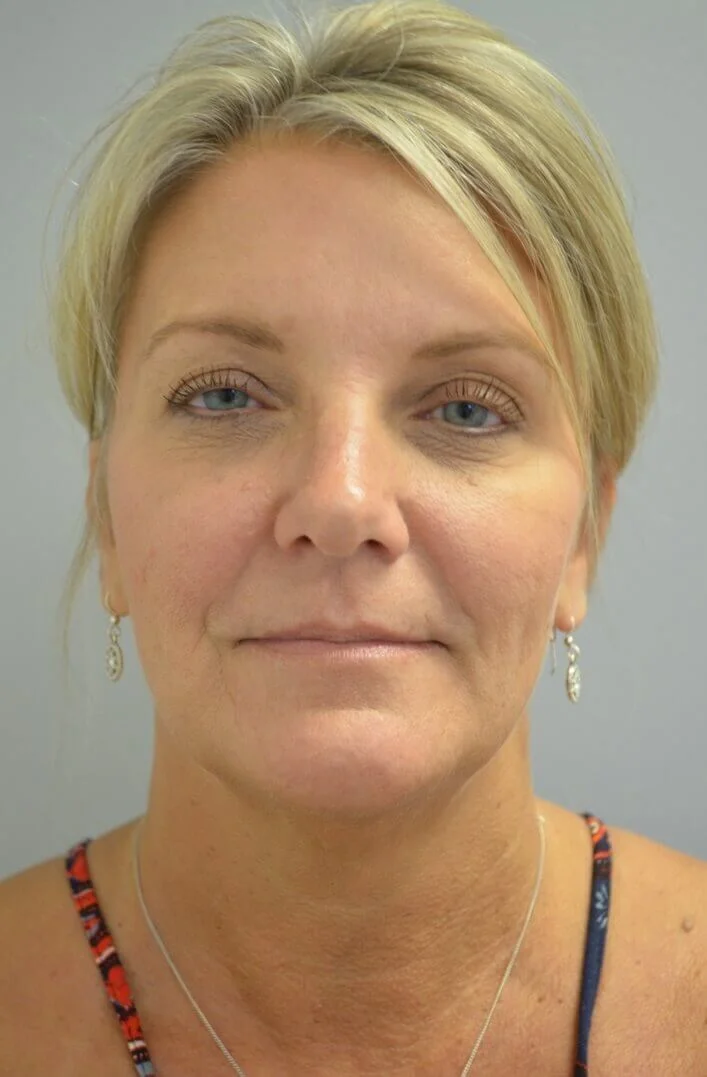
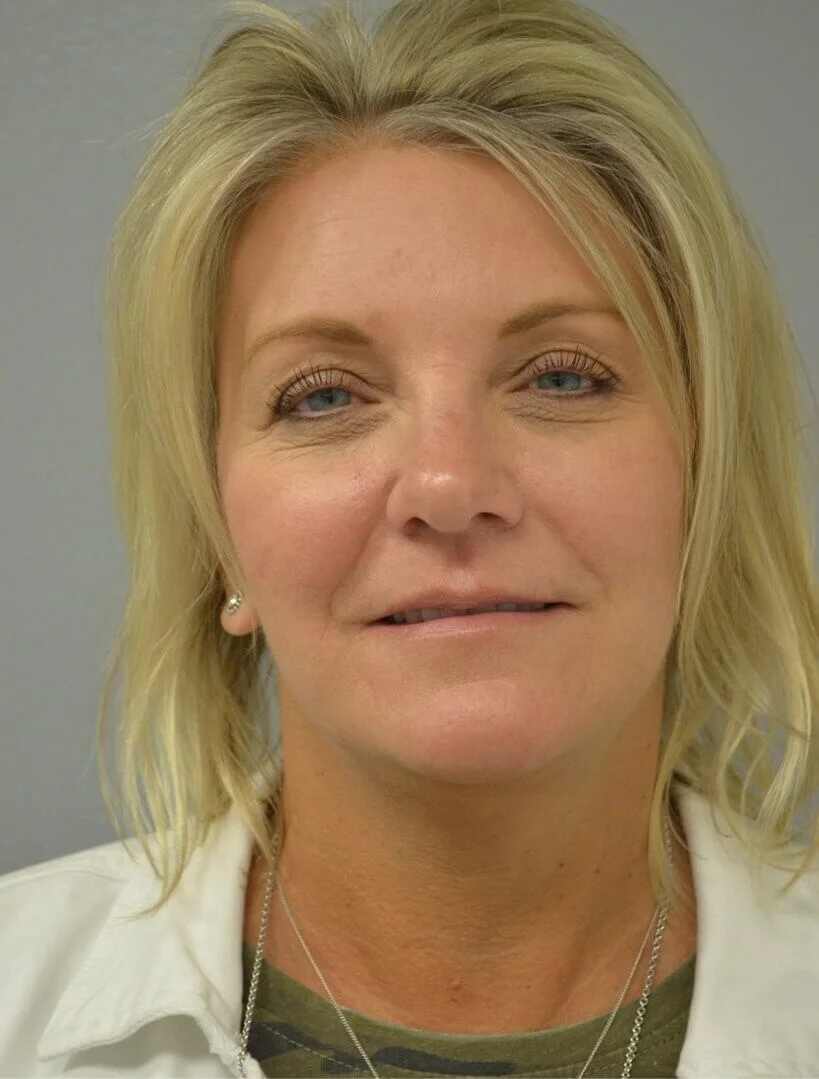


Understanding Facelift Techniques
✓ Medically reviewed by Dr. Andre Y. Levesque, MD · Board-certified plastic surgeon (ABPS) · Last reviewed December 13, 2025
A facelift (rhytidectomy) rejuvenates the lower two-thirds of the face and the neck by repositioning the tissues that sag with age. What separates one facelift technique from another is how each one handles the SMAS — and that single difference explains why some lifts look more natural, and last longer, than others.
The SMAS (superficial musculoaponeurotic system) is a strong sheet of tissue and muscle beneath the skin and fat. As we age, gravity and the loosening of the facial retaining ligaments allow the SMAS and the deep fat to descend — creating jowls, deepening the folds around the mouth, and blurring the jawline. Simply tightening the skin does not fix this; the deeper layer has to be repositioned. The techniques below differ mainly in how, and in what plane, they address the SMAS.
The Main Types of Facelift
From the most comprehensive surgical lift to the least invasive non-surgical option — and where each one fits.
Deep Plane Facelift
The most comprehensive and longest-lasting lift. The SMAS and the overlying skin are released at their retaining ligaments and repositioned together as a single unit, with the deep facial fat lifted rather than pulled. Because the work is done in the deep layer, the skin is redraped with no tension — the key to a natural, non-“pulled” result. Best for moderate-to-advanced jowl, midface, and neck laxity. See the deep plane facelift page →
SMAS Plication
The SMAS layer is folded onto itself and secured with permanent sutures — without cutting it. A reliable, lower-risk way to tighten the deep layer with less dissection and a quicker recovery. Well suited to mild-to-moderate laxity; results are very good, though generally not as powerful in the midface or as long-lasting as a deep plane lift.
SMASectomy
A strip of the SMAS is removed and the cut edges are sewn together, tightening the deep layer along a chosen vector. It delivers more correction than plication without the full deep-plane ligament release — a versatile middle-ground technique for moderate laxity.
SMAS Imbrication
The SMAS is elevated as a flap and advanced (overlapped) before being sutured into its new position. Like SMASectomy, it repositions the deep layer rather than simply folding it, and can be tailored to the direction of greatest laxity.
Skin-Only Facelift
The oldest technique — the skin is undermined, tightened, and redraped without addressing the SMAS. Because all of the tension falls on the skin and the incision, it tends to relax sooner, can widen the scars, and risks a pulled or “windswept” look. Modern practice has largely moved beyond skin-only lifts except in very specific situations.
Mini / Short-Scar (MACS) Lift
Shorter incisions — often limited to around the ear — with purse-string sutures that suspend the SMAS vertically (MACS = minimal access cranial suspension). A good option for younger patients with early jowling and limited neck laxity who want a shorter recovery, though it corrects the neck less than a full lift.
The “Ponytail” Lift
More a marketing name than a distinct operation, it describes a minimal-incision, vertical-vector lift that repositions the midface and upper face up and back — mimicking the tightened look of pulling your hair into a high ponytail. It suits younger patients with mild laxity and does not replace a full lower-face and neck lift for more advanced aging.
Thread Lift (Non-Surgical)
Dissolvable barbed sutures are passed under the skin to lift it modestly, with minimal downtime. Results are temporary — often several months to a couple of years — and best for very mild laxity or patients not yet ready for surgery. It is not a substitute for a surgical facelift.
How the Right Technique Is Chosen
There is no single “best” facelift — only the best technique for your anatomy, your degree of laxity, your skin quality, how much your neck is involved, and how much recovery you can accommodate. Dr. Levesque matches the operation to the patient rather than performing one technique for everyone.
For most patients with moderate-to-advanced lower-face and neck aging, the deep plane facelift gives the most natural, longest-lasting result. For milder laxity, or a younger patient who wants less downtime, a SMAS plication, SMASectomy, or short-scar lift may be the better fit. When surgery isn’t yet warranted, he’ll tell you that too.
Which Facelift Is Right for You?
A general guide — Dr. Levesque will assess your face and neck personally at consultation.
A Surgical Facelift May Suit You If:
- Jowls and a loss of definition along the jawline
- Loose skin, fullness, or bands in the neck
- Deep folds and flattening from midface descent
- A desire for a natural result that lasts many years
- Good general health; non-smoker or willing to stop before surgery
A Lighter-Touch Option May Be Enough If:
- Early, mild laxity without significant neck involvement
- A younger face wanting the least possible downtime
- Not yet ready for surgery — a thread lift or energy device may bridge the gap
- Skin-quality concerns (texture, tone) better treated with resurfacing first
Considering a Deep Plane Facelift?
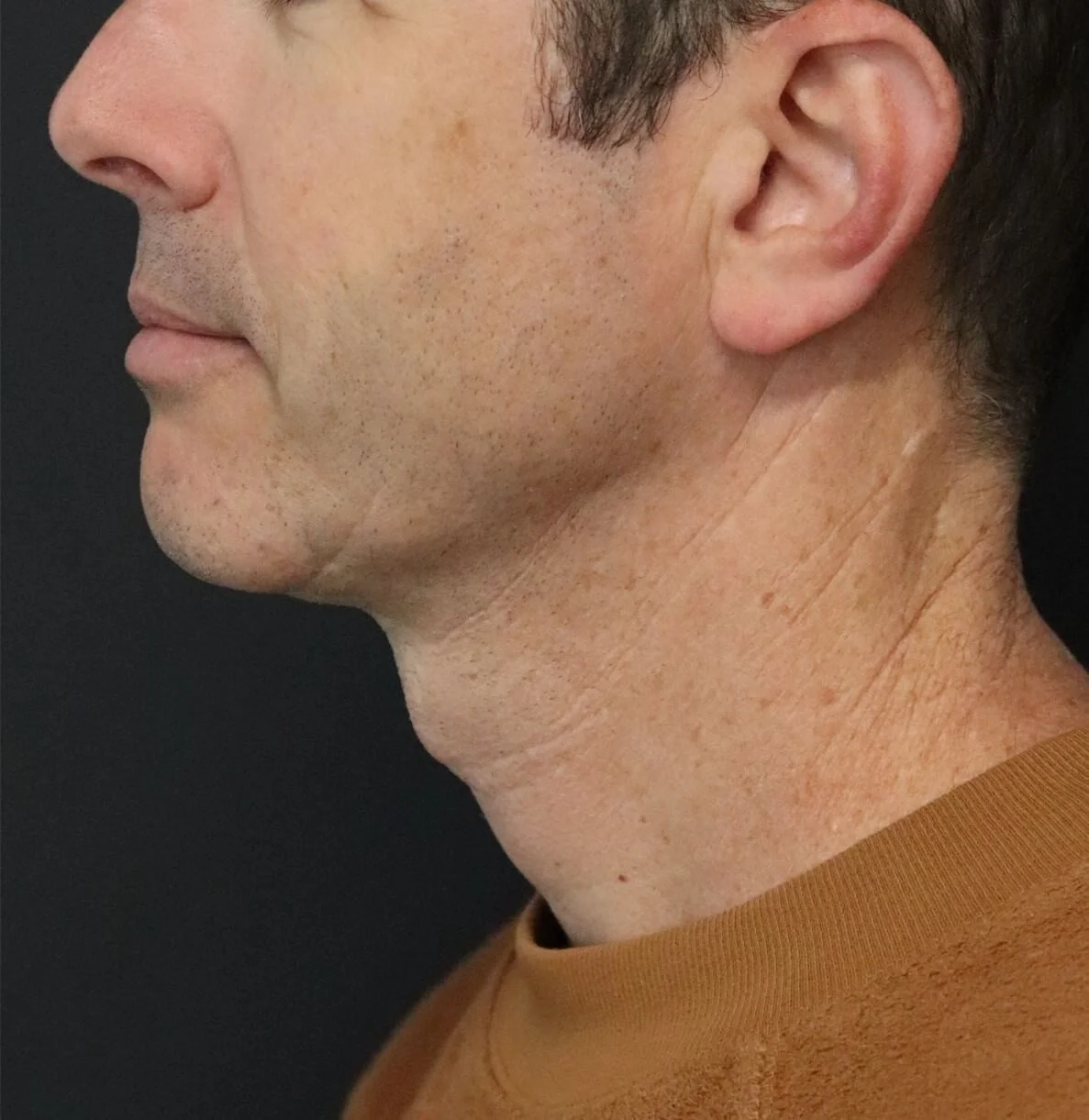
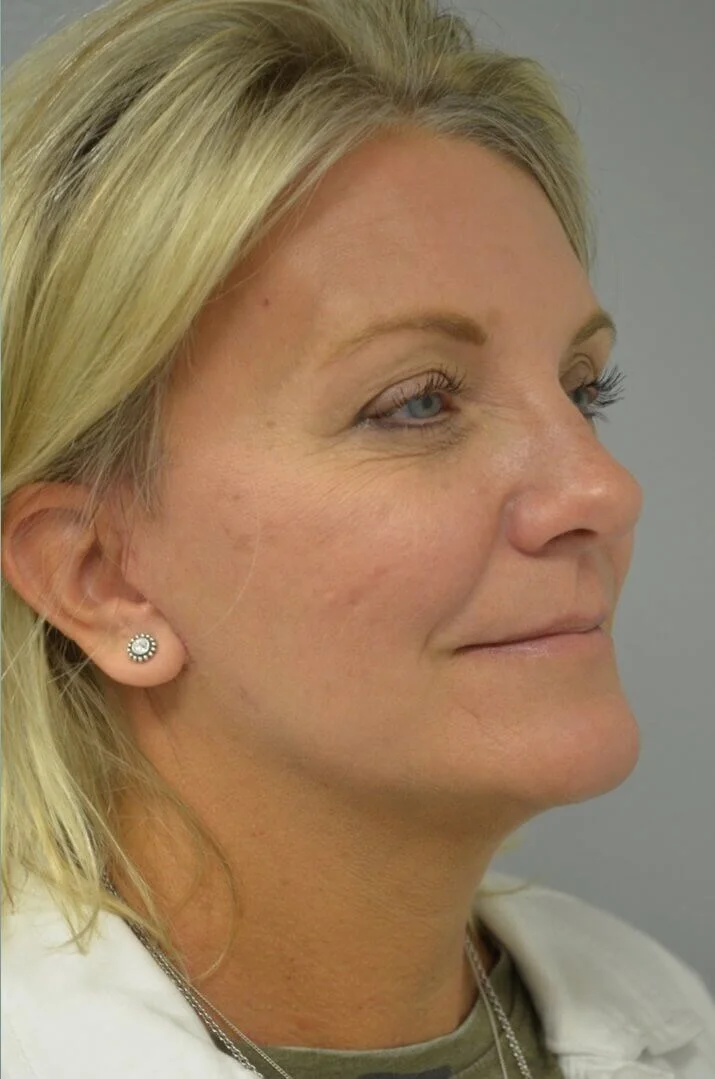
The deep plane facelift is the technique most patients with jowl and neck laxity ultimately choose for its natural, long-lasting result. See how it works, what recovery looks like, and real before-and-after results.
View the Deep Plane Facelift Page →Also Explore
What Patients Say
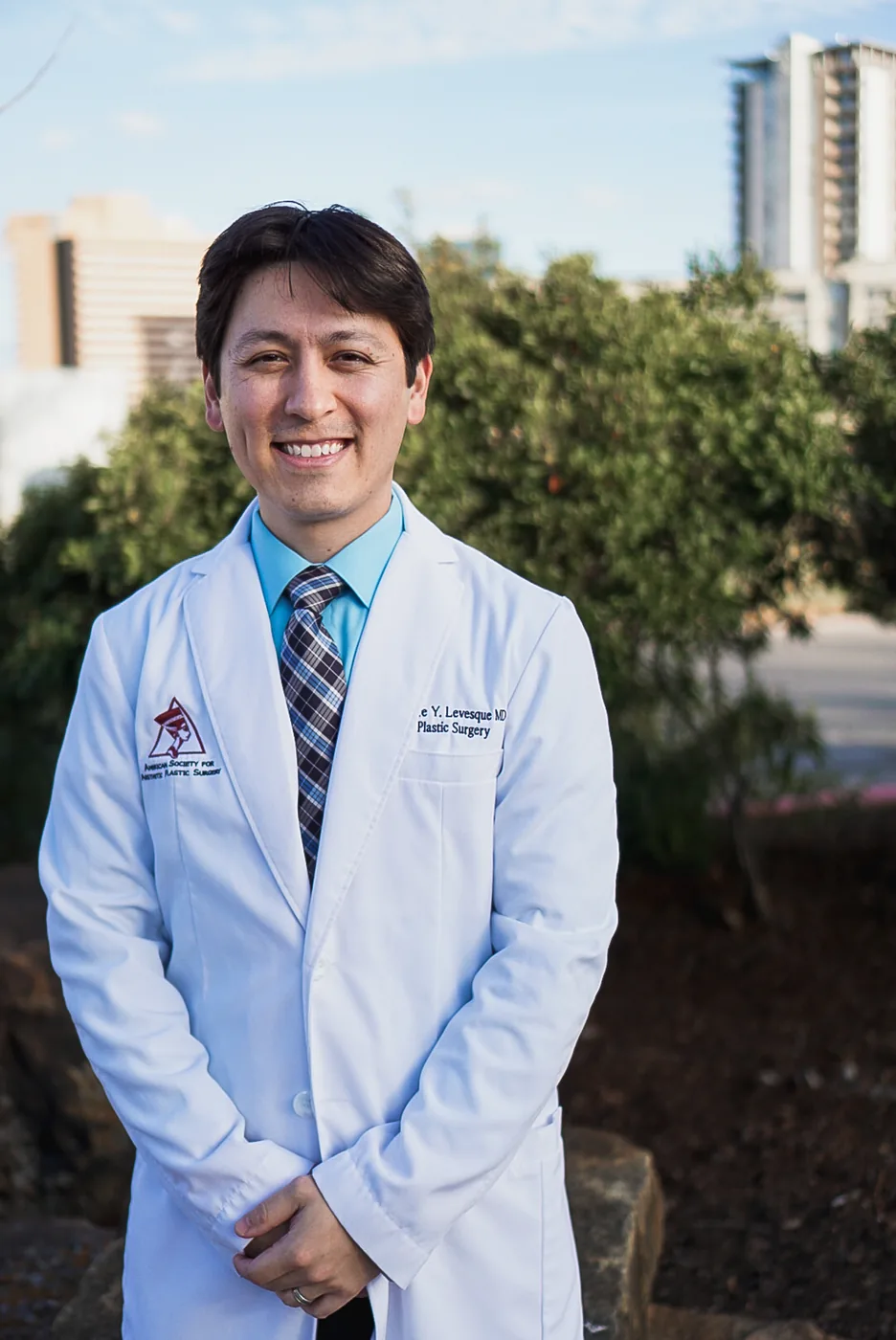

Dr. Andre Y. Levesque, MD
Dr. Levesque believes that the best facial surgery is surgery no one can detect. His focus on the deep plane technique stems from a conviction that lasting, natural results require working at the structural level of the face — not just tightening skin. He performs every surgery personally, without delegation to residents or assistants.
His wide-awake facelift — offered to most candidates — reflects a commitment to minimizing unnecessary risk and maximizing recovery comfort. Most of his facelift patients return to social activity within two to three weeks.
Schedule with Dr. LevesqueFacelift Types FAQ
Request a Consultation
Consultations are with Dr. Levesque, personally. Fill out the form below and our team will contact you within one business day.