Facial Fat
Grafting
Restore lost facial volume with your own fat — a natural, long-lasting solution for hollow cheeks, temples, and under-eye hollowing that no filler can fully replicate.


What Is Facial Fat Grafting?
✓ Medically reviewed by Dr. Andre Y. Levesque, MD · Board-certified plastic surgeon (ABPS) · Last reviewed October 14, 2025
Facial fat grafting — also called fat transfer or autologous fat grafting — harvests fat from your own body (typically the abdomen, flanks, or thighs), processes it, and precisely injects it into areas of facial volume loss: the cheeks, temples, under-eyes, nasolabial folds, jawline, or lips. Because it uses your own tissue, there is no risk of allergic reaction and results integrate naturally with your facial anatomy.
Dr. Andre Y. Levesque performs facial fat grafting in Austin, TX as a standalone procedure and as a complement to facelift surgery. When combined with the deep plane facelift, fat grafting addresses both the structural sagging (corrected by the facelift) and the volume loss (restored by fat grafting) — producing comprehensive, natural rejuvenation that filler cannot match.
The key to fat grafting success is graft survival — the percentage of transferred fat cells that establish a blood supply and survive long-term. Dr. Levesque's meticulous harvest, processing, and placement technique maximizes graft survival and consistency of result.
Results develop over 4–6 months as grafts establish and settle. Once established, surviving fat behaves like native fat — it responds to weight changes, ages naturally, and can last 3–7+ years. Many patients find a single treatment provides lasting results; some choose to do a second small session 6–12 months later to fine-tune.
Your Own Fat. Natural, Lasting Volume.
The difference between excellent and disappointing fat grafting is almost entirely technical — harvest method, processing, and injection technique determine graft survival. Dr. Levesque uses atraumatic harvesting, careful centrifugation, and precise microdroplet injection to maximize the percentage of fat that survives long-term.
His approach combines fat grafting with structural surgery (facelift, brow lift, eyelid surgery) when appropriate — because volume restoration and structural repositioning together produce rejuvenation that neither achieves alone. The result is comprehensive, harmonious, and natural.
What to Expect
From your first consultation to your final result, here's how the process works at Levesque Plastic Surgery.
Consultation
Dr. Levesque evaluates your areas of volume loss, identifies harvest sites, and discusses whether fat grafting alone or combined with facelift/eyelid surgery will best meet your goals.
Surgery Day
Fat is harvested from abdomen or flanks under local anesthesia or light sedation, processed, and precisely injected into facial areas. The procedure takes 1.5–2.5 hours. You go home the same day.
Recovery & Results
Harvest sites are sore for 1–2 weeks. Facial swelling peaks in the first week and resolves over 4–6 weeks. Final results emerge at 4–6 months as grafts establish and settle. Some initial over-correction is expected, as approximately 30–40% of transferred fat reabsorbs.
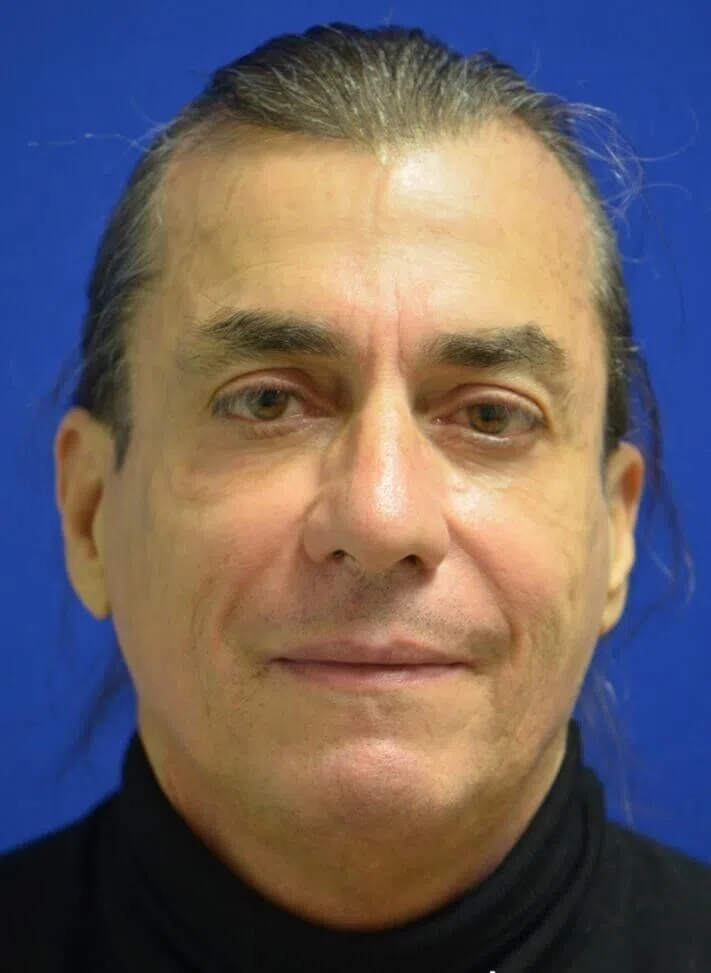
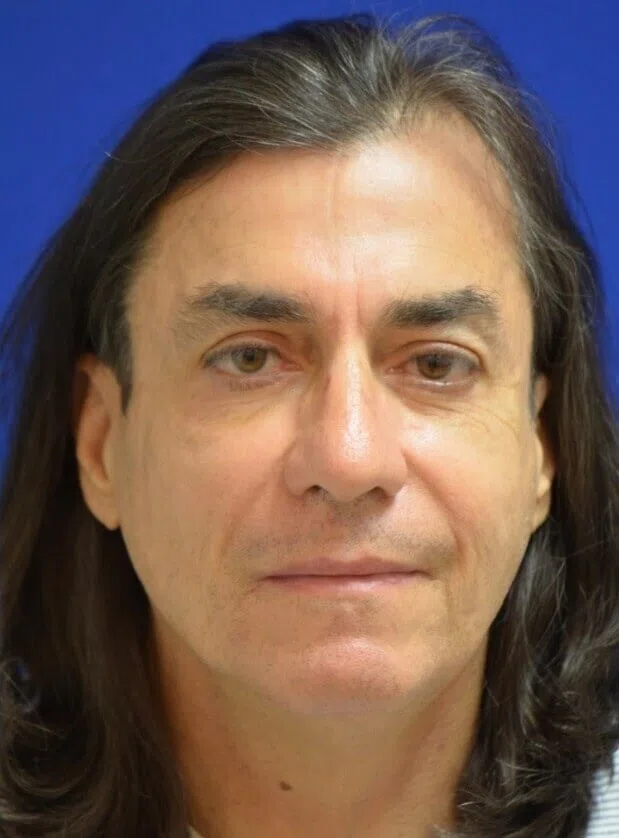
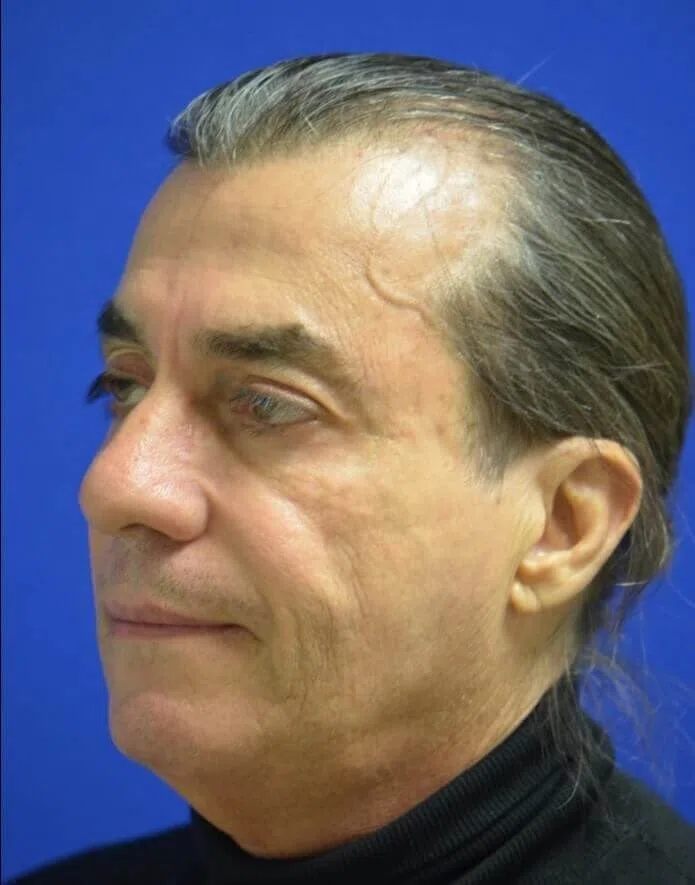
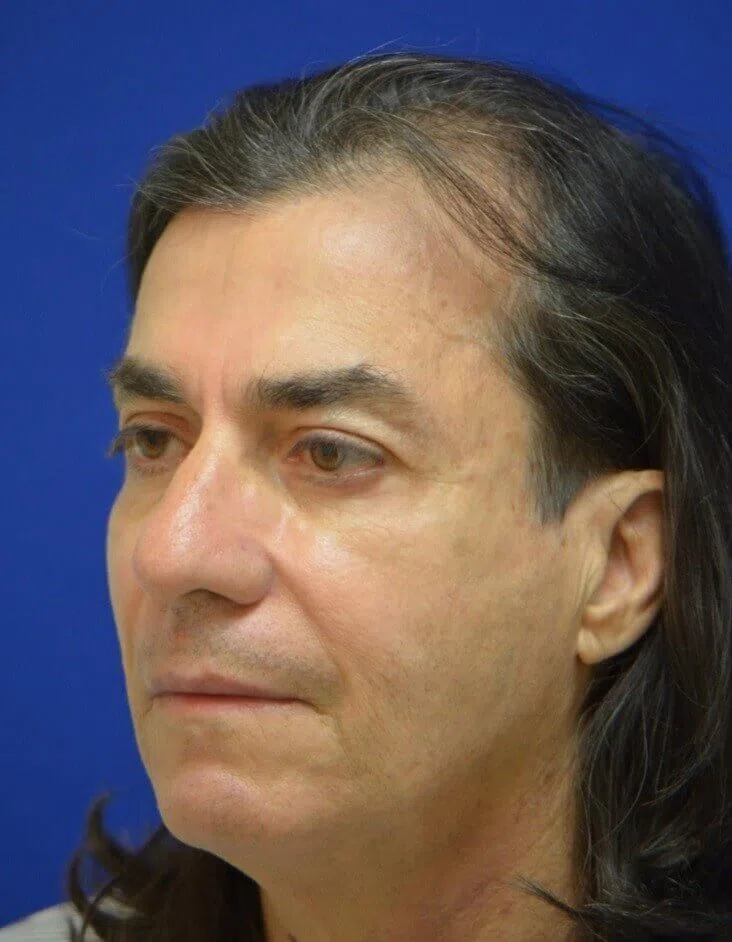
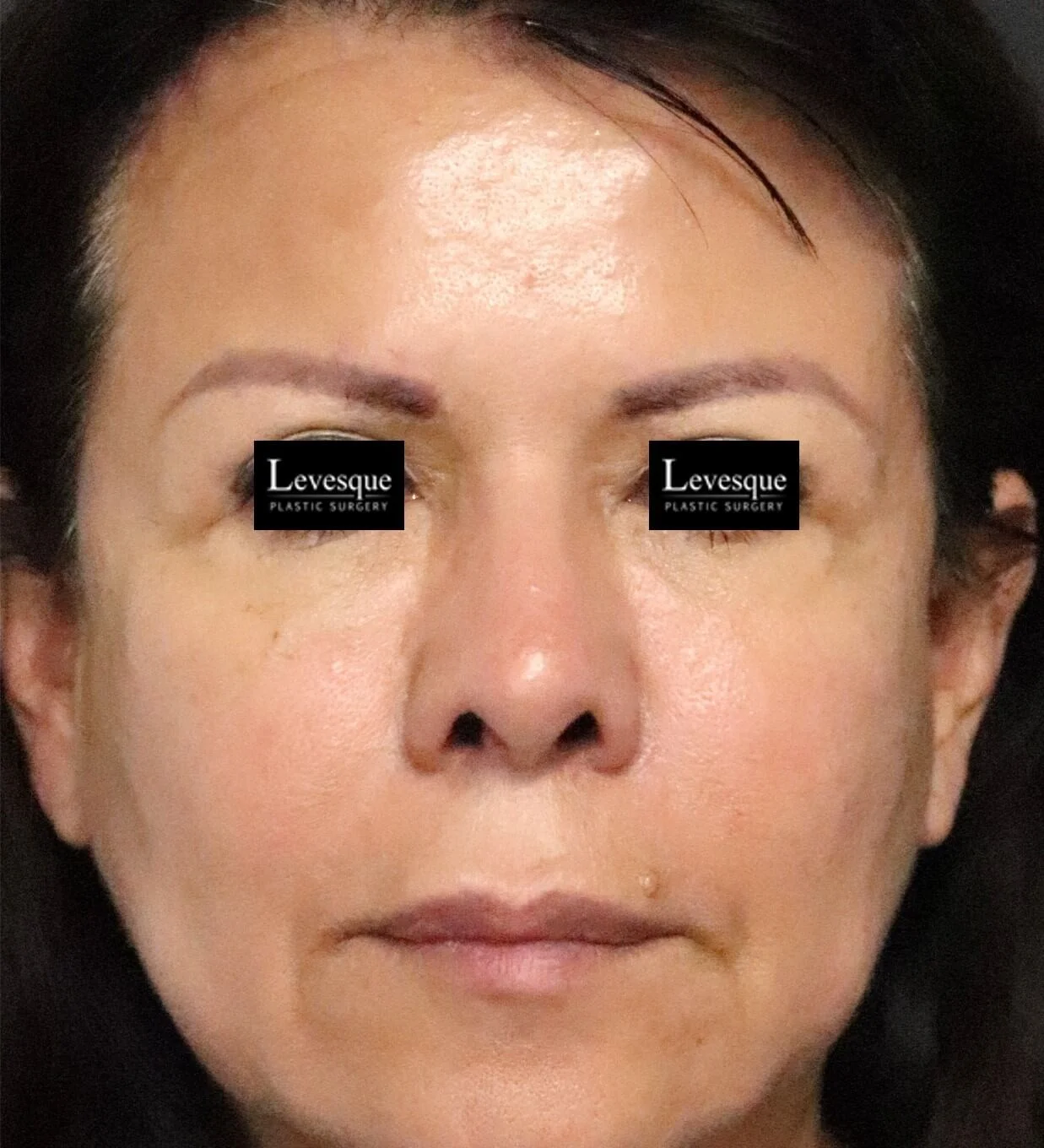
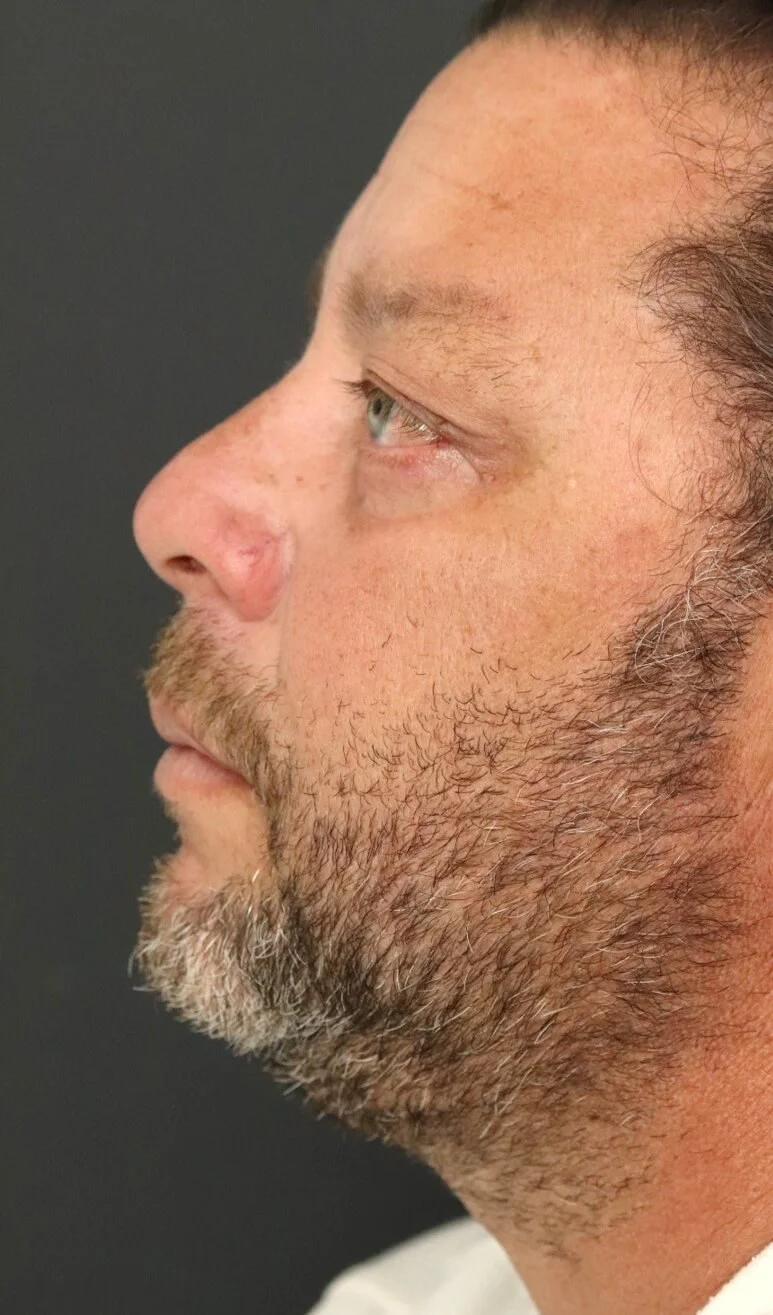
Facial Fat Grafting Before & After
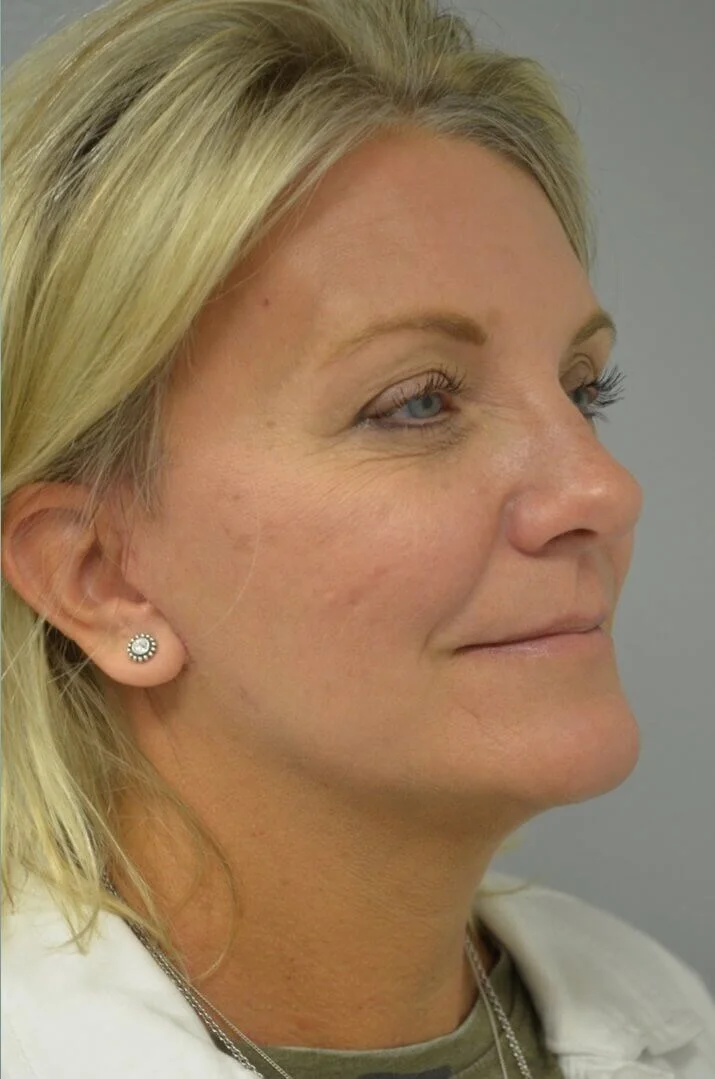
All photos are of Dr. Levesque's own patients, presented with permission. Hover each card to see the after.
Am I a Candidate?
Here's a general guide — Dr. Levesque will assess your candidacy personally at consultation.
Good Candidates Typically Have:
- Loss of cheek volume, hollowing, or midface flatness
- Under-eye hollowing or tear trough depression
- Temple hollowing
- Deep nasolabial folds or marionette lines from volume loss
- Desire for natural, long-lasting volume without repeated filler
- Good overall health and adequate donor fat available
Factors That May Affect Candidacy:
- Very lean patients with minimal donor fat — may not have sufficient harvest volume
- Active smoking — reduces graft survival significantly
- Unrealistic expectations about result permanence (30–40% initial reabsorption is normal)
- Volume loss that would be better addressed with structural lift surgery alone
What Does Facial Fat Grafting Cost?
Facial fat grafting cost at Levesque Plastic Surgery depends on the areas treated, the volume transferred, and whether it is performed standalone or combined with facelift or other surgery.
Combined fat grafting and facelift procedures are priced as a package — typically more cost-effective than staging the procedures separately.
Dr. Levesque provides a complete quote at consultation. Financing through CareCredit, Alphaeon, Cherry, and PatientFi is available.
Get Your Quote →Financing Partners



What Patients Say
Dr. Andre Y. Levesque, MD
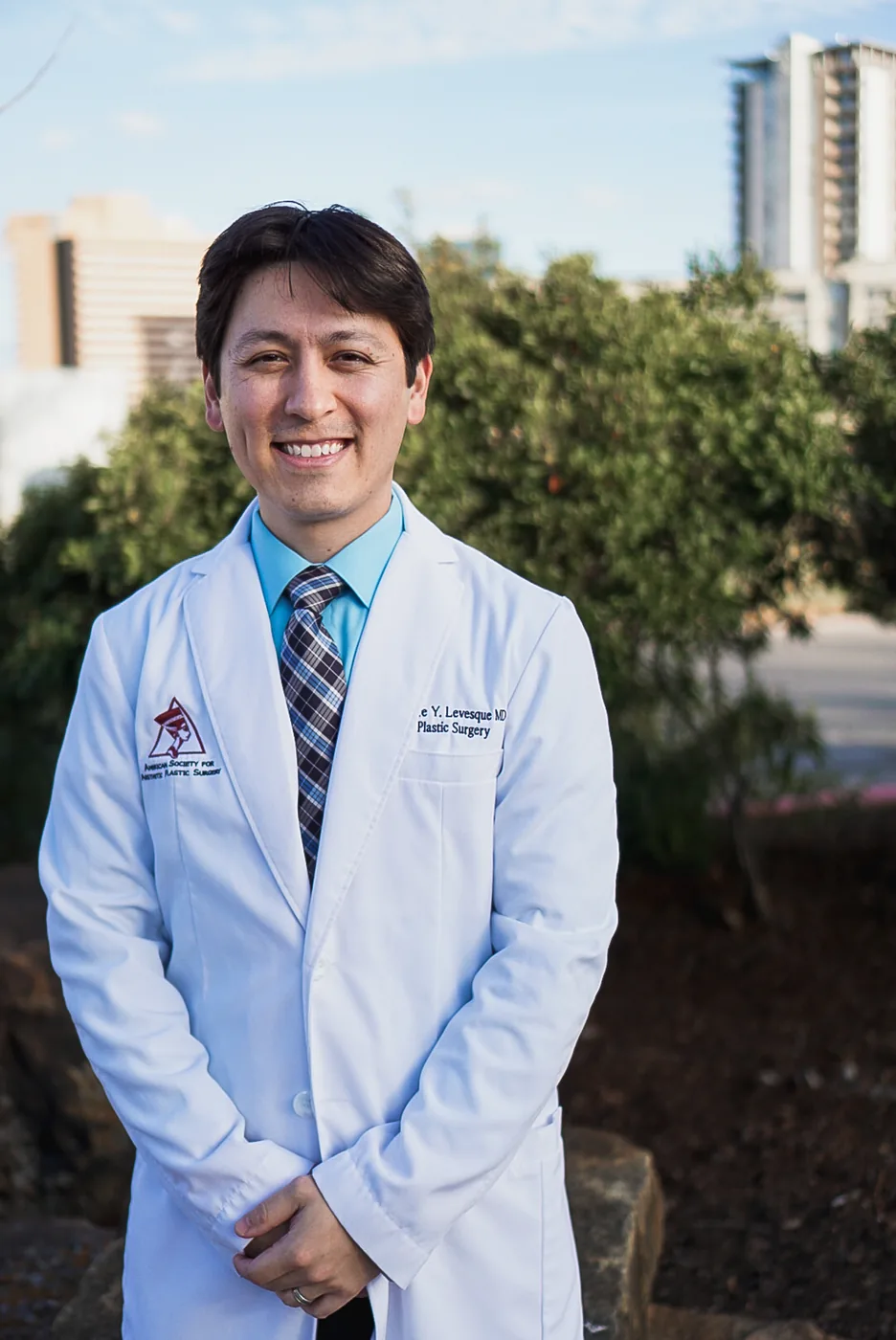
Dr. Levesque views fat grafting not as an add-on, but as an essential component of comprehensive facial rejuvenation. Structural surgery (facelift, brow lift) addresses descent; fat grafting addresses volume loss. Together, they restore a face that looks truly younger — not just lifted.
His meticulous technique — atraumatic harvest, careful processing, and microdroplet injection — is designed to maximize graft survival and produce consistent, natural results that develop beautifully over the months following surgery.
Schedule with Dr. LevesqueFacial Fat Grafting FAQ
Request a Consultation
Consultations are with Dr. Levesque, personally. Fill out the form below and our team will contact you within one business day.