We had a question in the office about the real pros and cons of the neuromodulators available in the United States — Botox (Allergan), Dysport (Galderma), and Xeomin (Merz). Rather than argue about it, I decided to run a blinded, split-face experiment with a study population of exactly one: me. Botox on one side of my forehead, Dysport on the other, documented day by day. Here is exactly what happened, with photos.
The experiment: a blinded split-face test
The design was a blinded, direct, side-by-side comparison. Our team injected one side of my forehead and glabella with Botox and the other side with Dysport, and I was not told which was which until the experiment was over. The endpoints I tracked were the ones patients actually care about: time to effect, duration of effect, side effects, and cost. This first round compares Botox and Dysport; a Botox-versus-Xeomin comparison may follow.
Day by day: Days 1 through 9
Here is my running log, recorded each day after treatment:
- Day 1: Not much to report. My upper lids feel a touch heavier from very slight swelling at the injection points. No visible difference side to side.
- Day 2: A definite sensation in the forehead — others describe it as heaviness; I’d call it more of a muscle fatigue or ache. Nothing I’d take a Tylenol for, but I’m clearly aware I was treated. No external signs, and I can’t tell the two sides apart yet.
- Day 3: The fatigue is much better today, though still noticeable. Not much external change yet. This is the day people searching “botox day 3” are curious about — and honestly, this early, the mirror doesn’t show much.
- Day 4: It is getting genuinely difficult to move the forehead now. I’m starting to see some smoothness appear.
- Day 5: Definite changes now, mostly central forehead, with softening elsewhere.
- Day 6: I notice my right eyebrow rides higher on animation. Perhaps the left side is acting a little faster?
- Day 7: I don’t feel much difference on animating the face now, but there is clear global softening in the forehead and crow’s feet — more obvious in person than in these selfies.
- Day 8: I can raise my right eyebrow slightly more than the left at maximal elevation. Otherwise the two sides are close.
- Day 9: The right side elevates the brow noticeably more than the left. The effect appears a bit less strong on the right, allowing stronger brow elevation there.
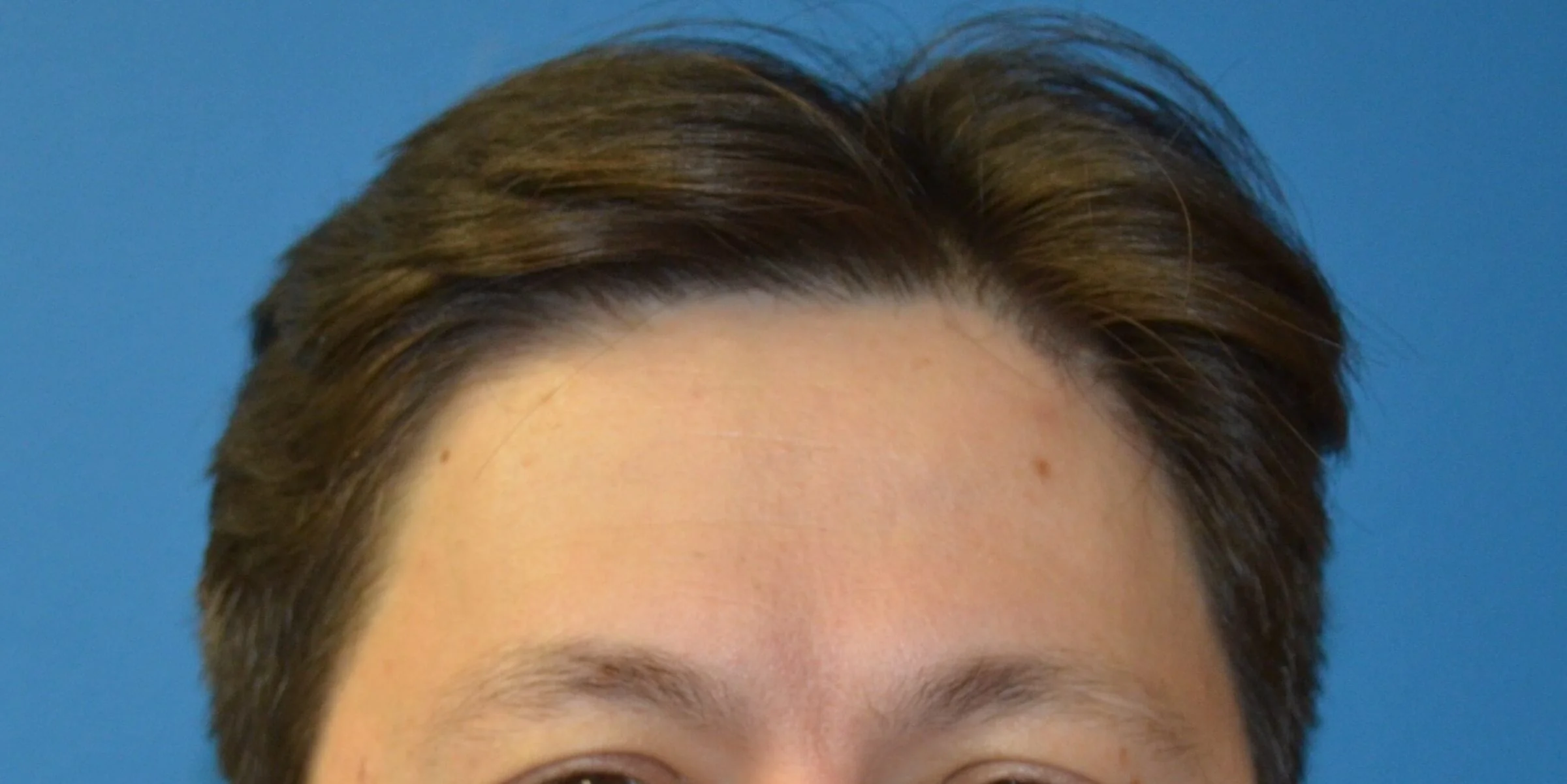
At rest
At rest there is a clear smoothing and softening effect — much more impressive in person than in an iPhone selfie. I noticed the most difference from around day 8 onward.
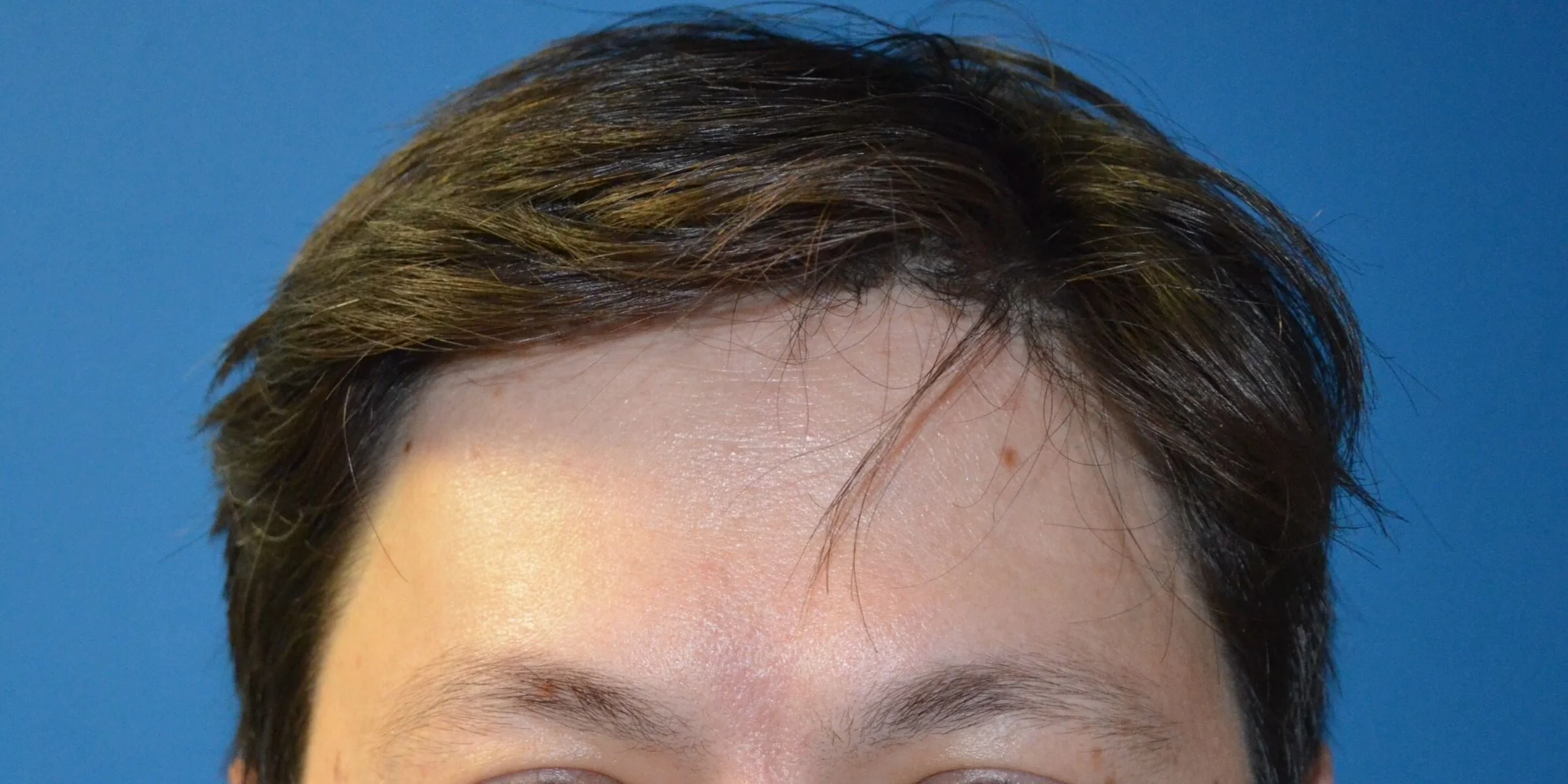
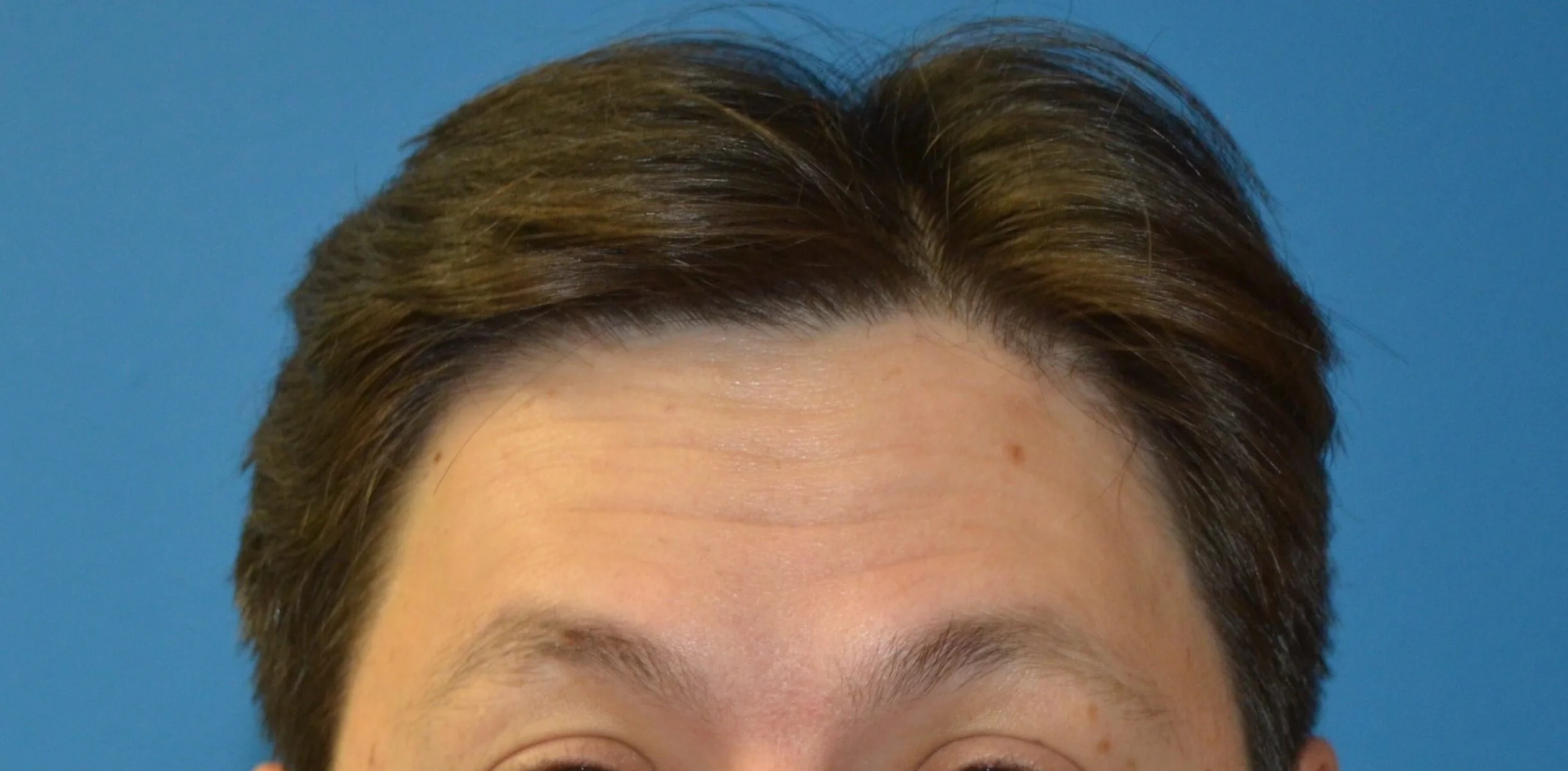
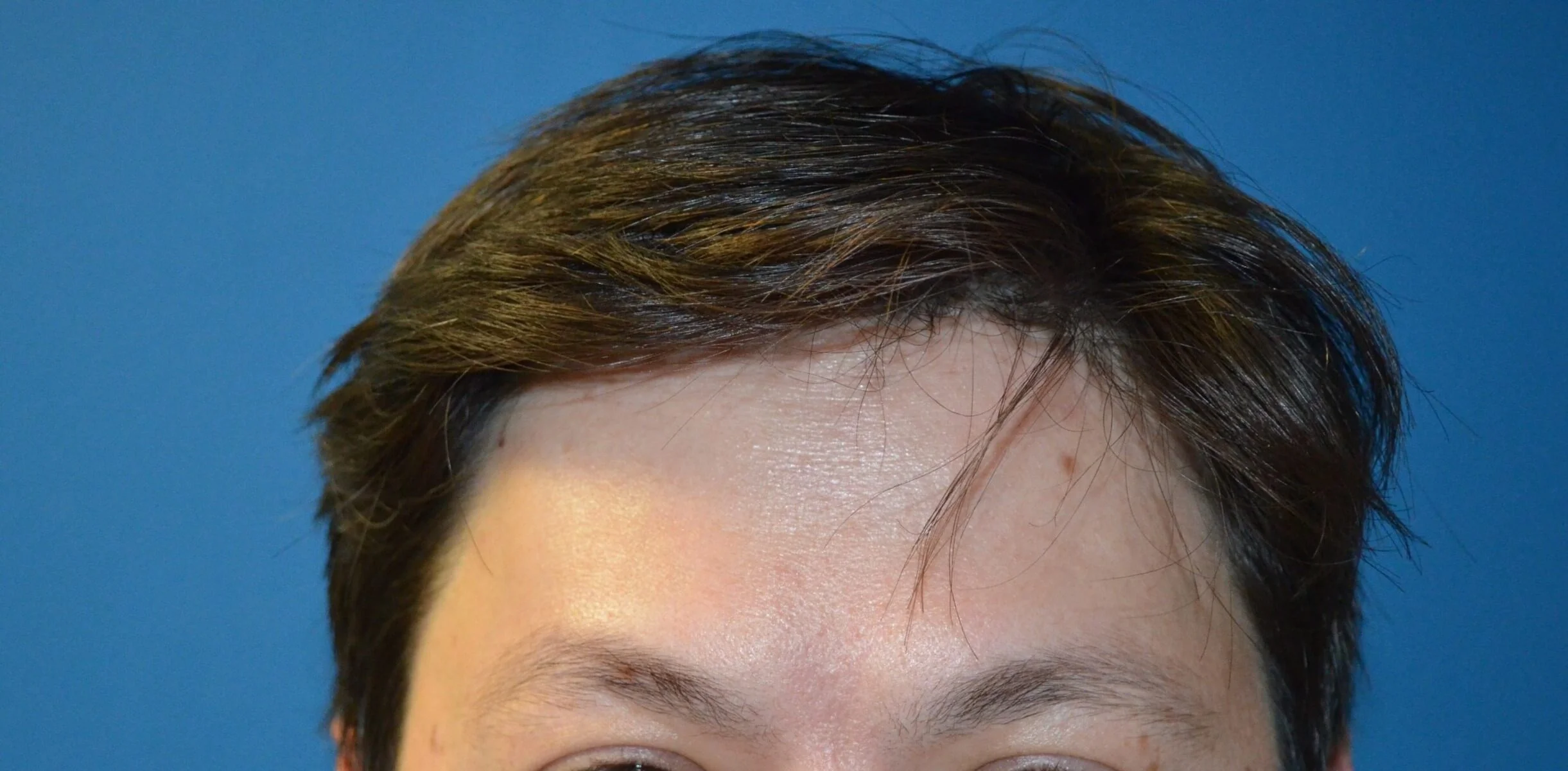
At maximal elevation (frontalis)
What a difference — and how quickly it acts on the forehead-elevating frontalis muscle. You can see it working by day 3, and by day 9 one side is more effectively relaxed than the other. On the more active side I’d likely add 1–2 units above the hyperactive frontalis for better symmetry.
With maximal smiling (crow’s feet)
In the crow’s feet, the products appear to start working a little later than in the forehead. I see better softening at day 8, and clearly by day 9. One side reads just slightly softer than the other.
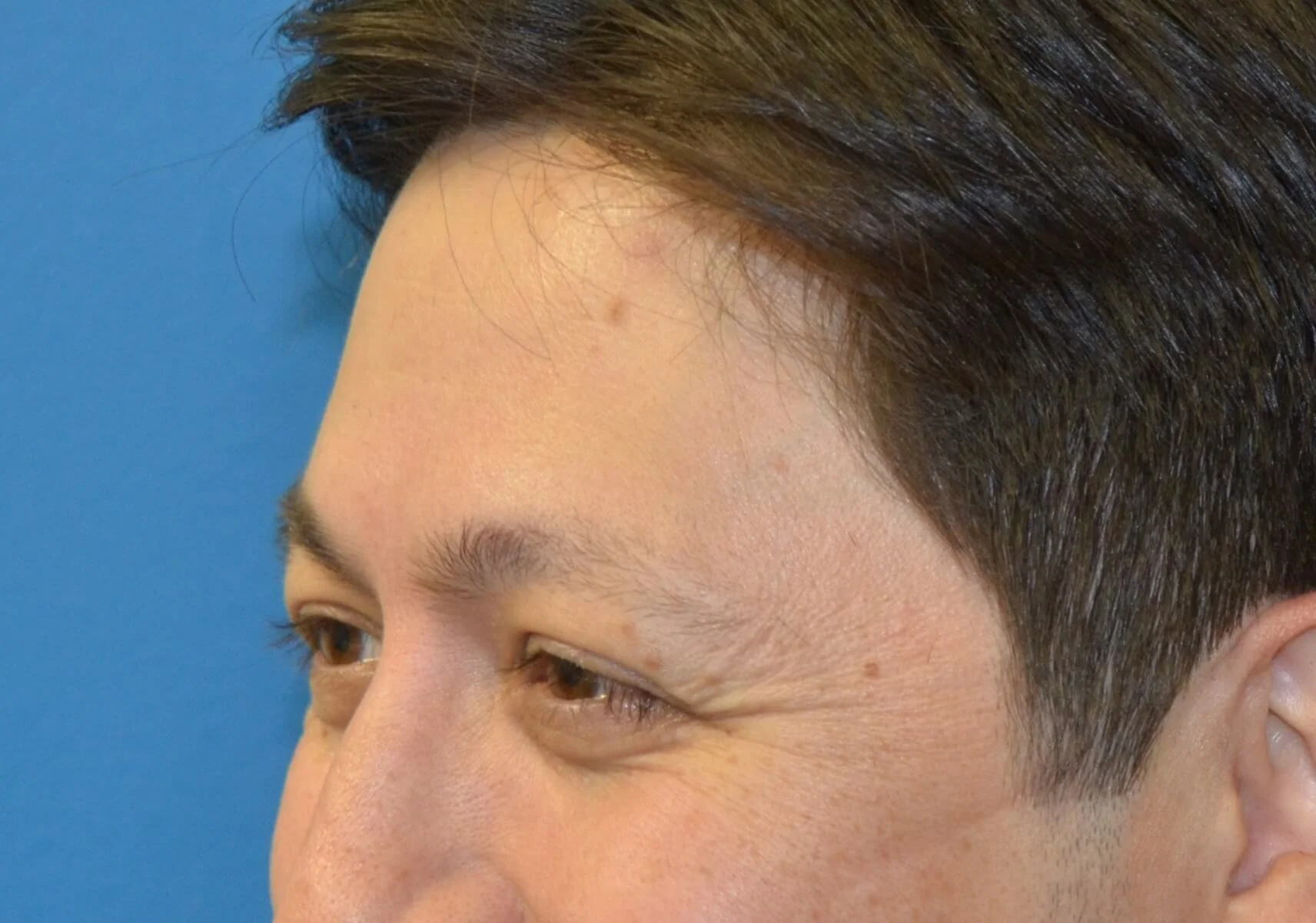
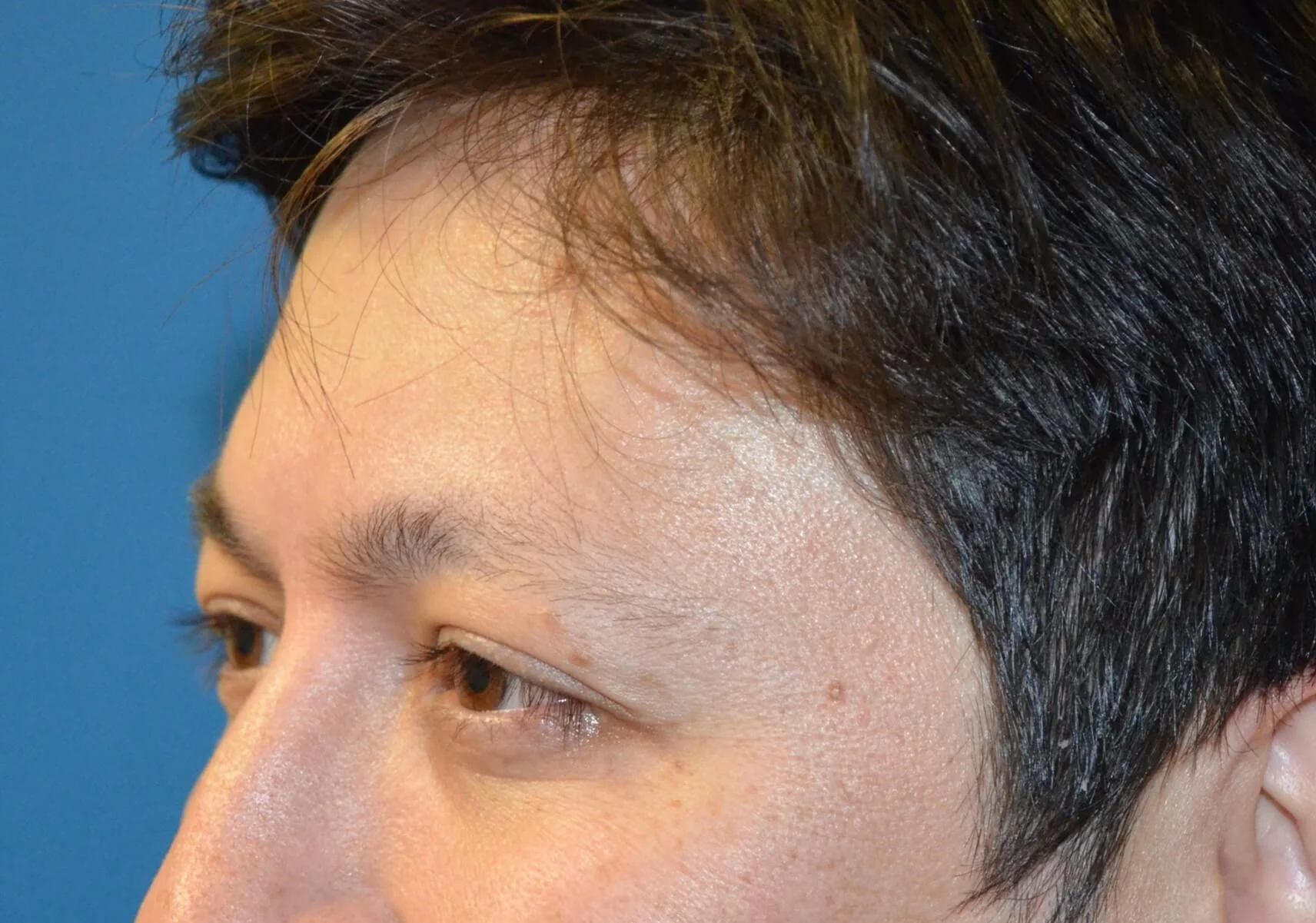
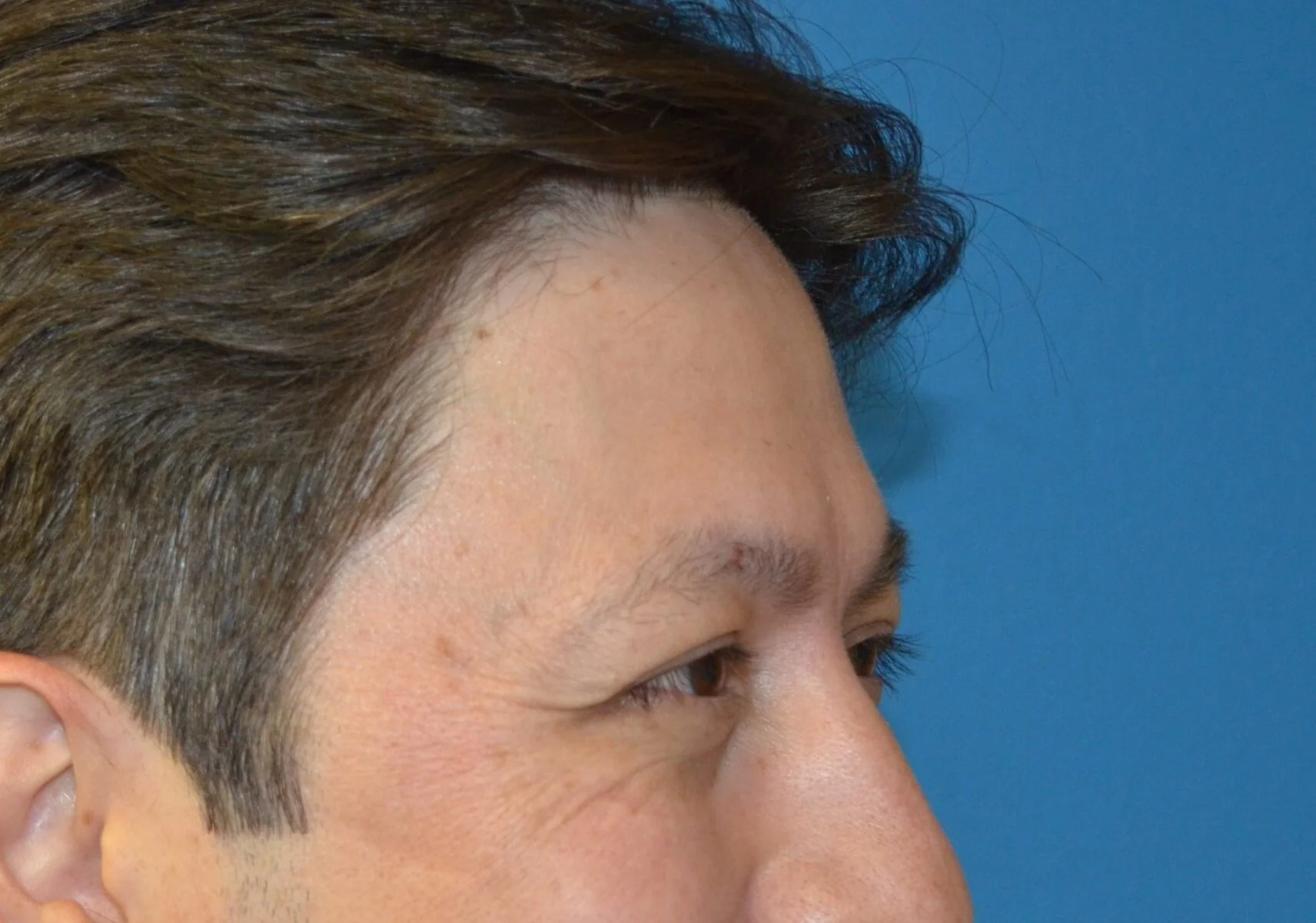
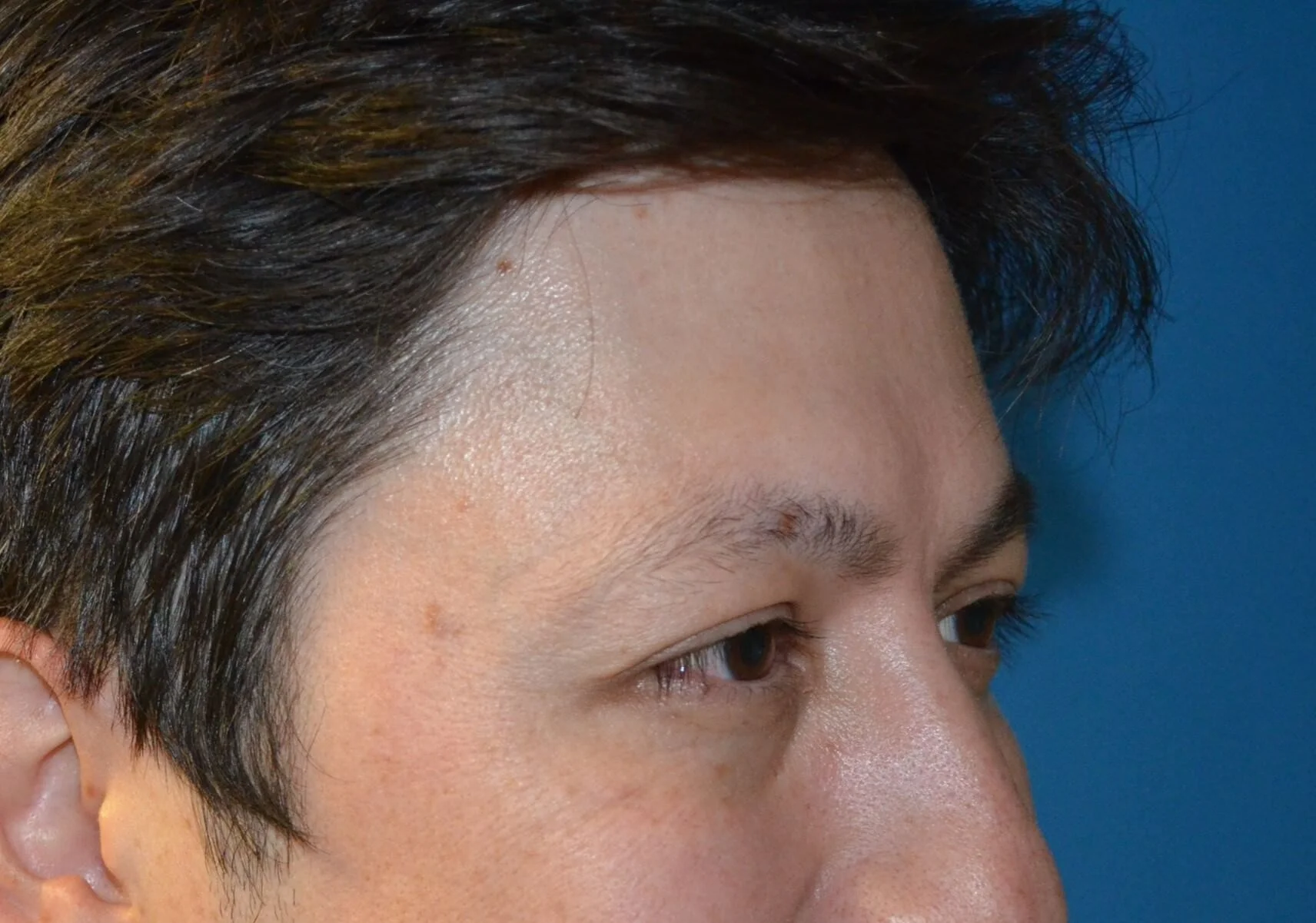
With maximal frown (glabella / the “11s”)
I have fairly strong corrugators and a deep central furrow — a “1”. Some softening shows up starting around day 8 and 9, with early weakness visible even at day 3. I could probably use a little more product here, and side-to-side the difference is subtle.
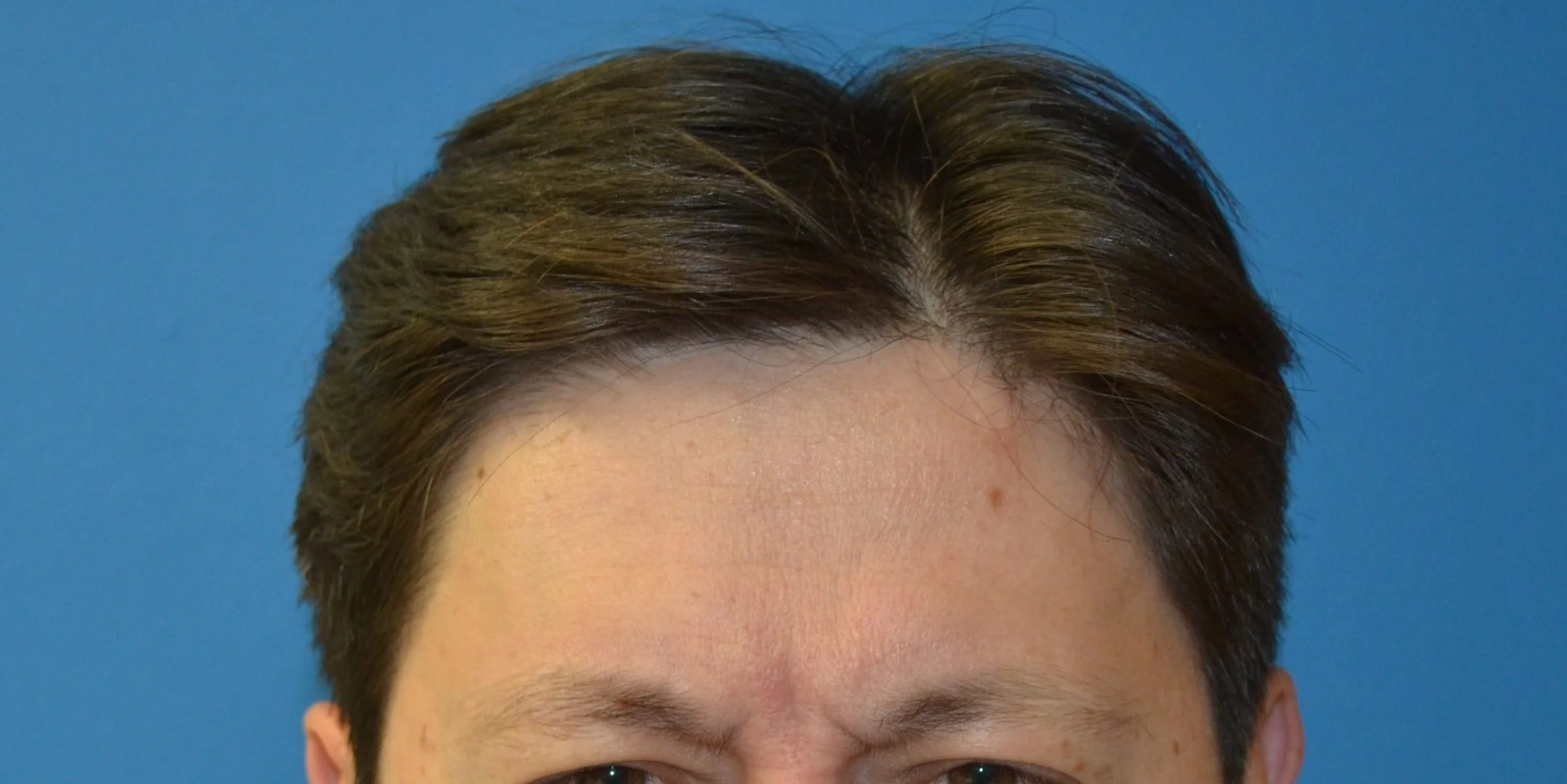
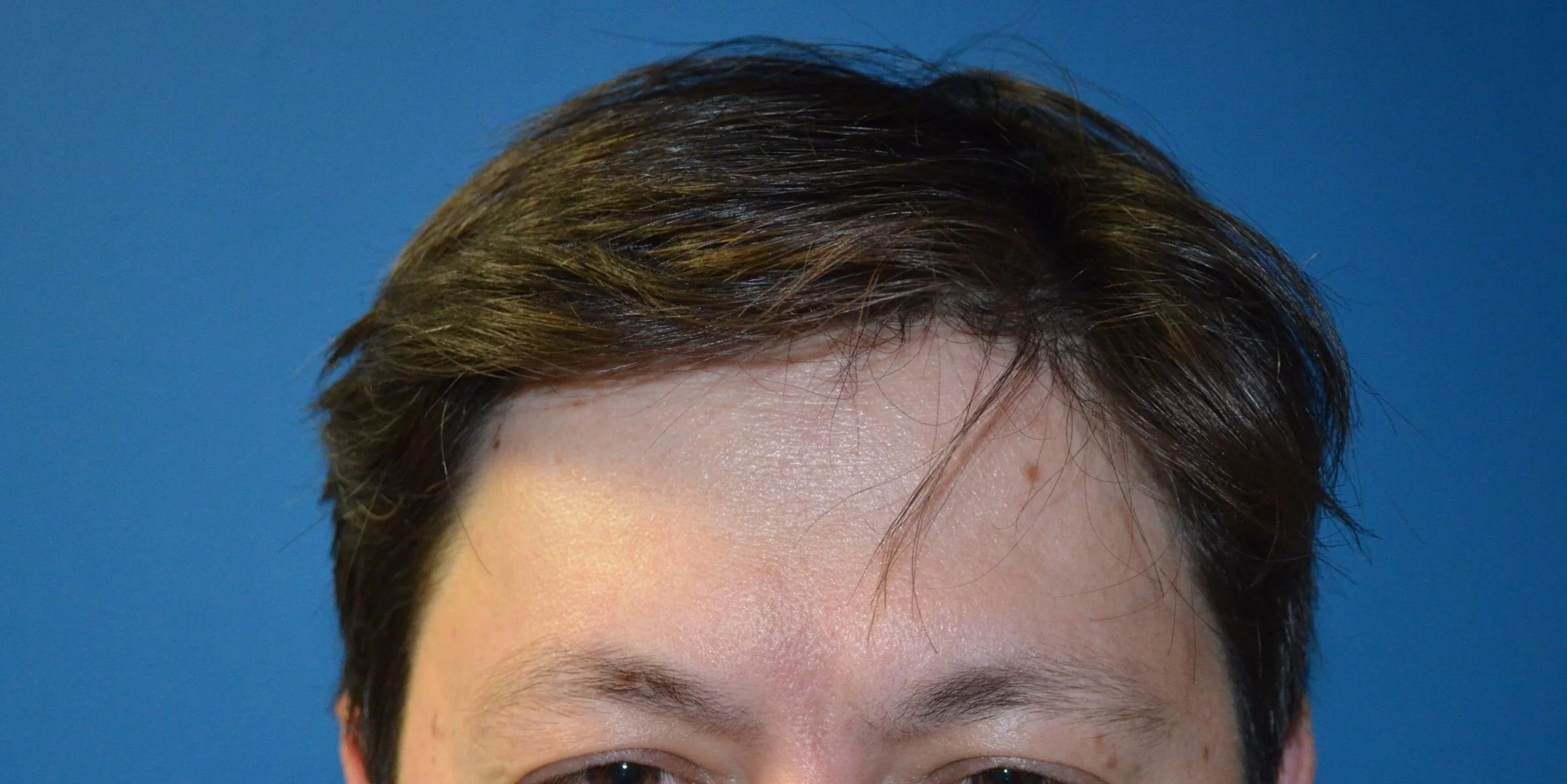
The reveal: which side was Botox, which was Dysport?
About two weeks after injection, the team revealed the blinding. Botox was used on my left side (the right side of each photo) and Dysport on my right side (the left side of each photo). The units used were:
Botox
- 15 units glabella (corrugators)
- 20 units forehead (frontalis)
- 12 units crow’s feet (orbicularis oculi)
Dysport
- 25 units glabella (corrugators)
- 40 units forehead (frontalis)
- 30 units crow’s feet (orbicularis oculi)
The unit counts are not directly comparable between products — Dysport is dosed in different units than Botox, which is why the numbers look higher. What matters is the clinical effect at those doses.
My verdict
The difference is subtle. If anything, the left (Botox) side looked slightly smoother than the right, but only just. I expected the peaked right eyebrow to soften over the following few days; if it hadn’t, the fix is easy — 1–2 units above the peaked area. Both products did their job well. For most patients, the choice comes down to how their muscles respond, onset preference, and cost rather than a dramatic difference in the mirror.
This kind of subtle, symmetric result is exactly the goal with neuromodulators — a refreshed, natural look, not a frozen one. If a heavy or asymmetric brow is part of your concern, sometimes a brow lift or a small amount of filler complements the treatment. And of course, results and dosing are individual — this was one forehead on one timeline.
If you’re looking for Botox, Dysport, or Xeomin in Austin, Texas or the surrounding areas, our team at Levesque Plastic Surgery would be happy to talk through what would give you the softest, most natural result. Schedule a consultation to discuss your options.